UPI Gateway for Startups: Reduce Payment Costs with Zero Transaction Fees
If you're building a startup in India, you already know that margins matter — especially in the early days. Every cost adds up, and one expense many founders overlook until it starts to hurt is payment gateway fees. What looks like a small percentage on paper can quietly eat into your revenue every single month, especially as your transaction volume grows.
This is exactly where a UPI-focused payment gateway can make a real difference for startups. Here's why.
The Hidden Cost of Traditional Payment Gateways
Most traditional payment gateways charge a Merchant Discount Rate (MDR) on every transaction — a percentage cut taken from each payment your customer makes. Depending on the payment method (cards typically cost more than UPI or net banking), this can range from under 1% to as much as 2–3% per transaction.
That might not sound like much on a single payment. But for a growing startup processing hundreds or thousands of transactions a month, it adds up to a real, recurring cost that directly hits your bottom line. And unlike a one-time expense, this cost keeps scaling as your business grows — which isn't how a cost structure should behave for an early-stage company.
Why UPI Specifically Helps Reduce This Cost
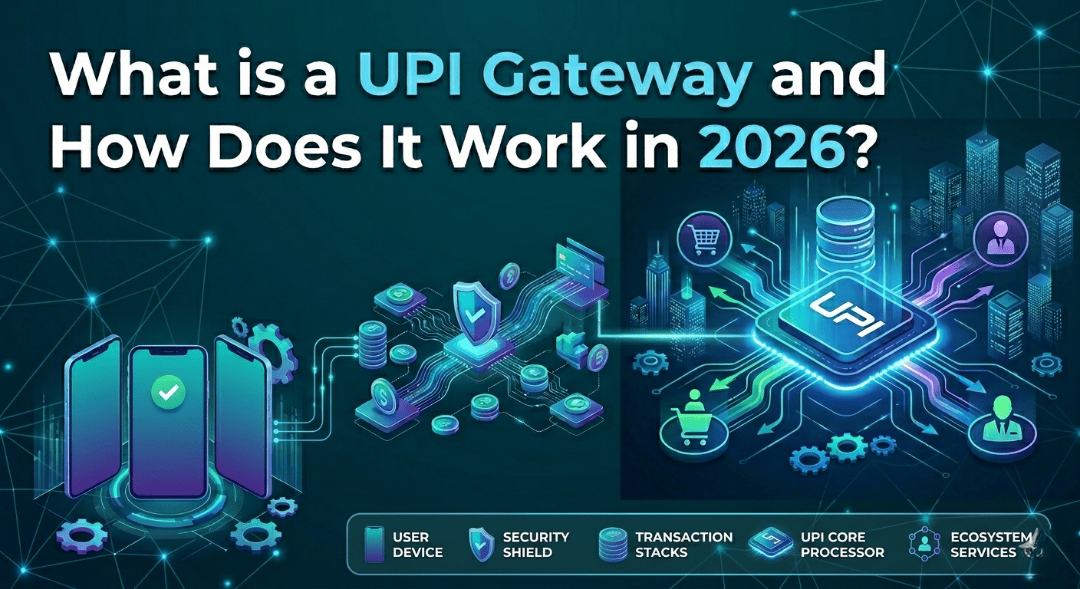
UPI transactions work differently from card-based payments. Since UPI is a direct bank-to-bank transfer facilitated through NPCI's infrastructure, it doesn't carry the same layered processing costs that card networks involve — things like card network fees and issuing bank charges.
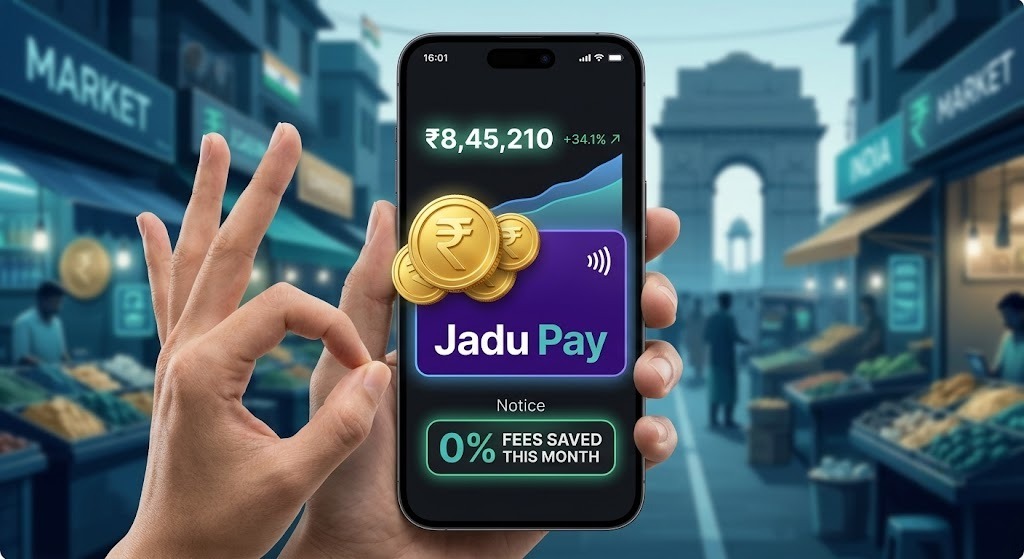
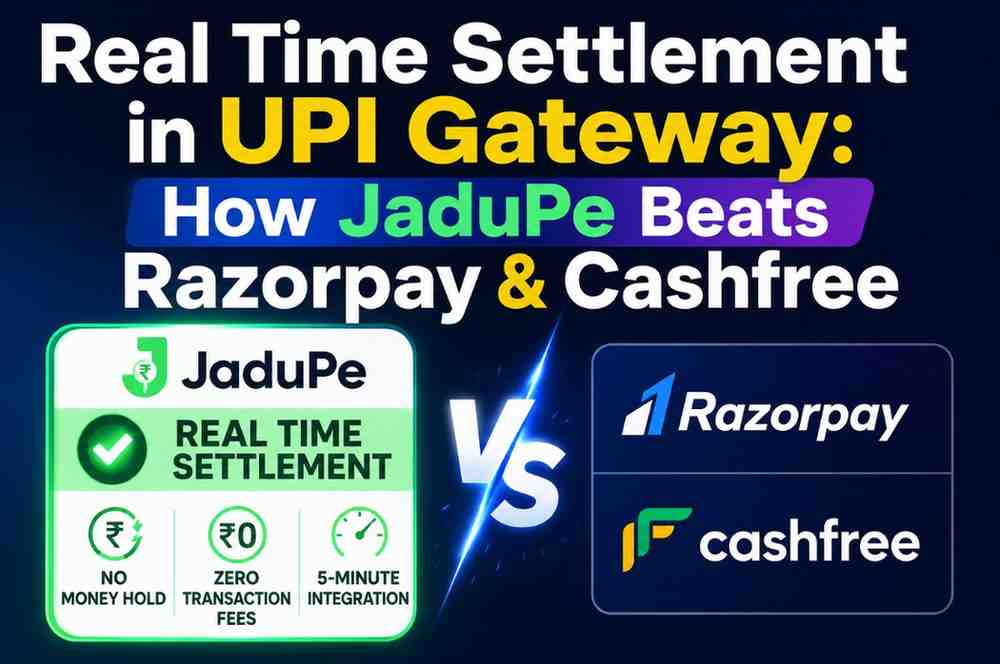
This is exactly why platforms like JaduPe are able to offer zero transaction fees on UPI payments. Because UPI already avoids many of the cost layers that make card payments expensive, a UPI-focused gateway can pass that saving directly to the business instead of adding a markup on top.
To be clear, this zero-fee advantage applies specifically to UPI transactions — which, for most Indian startups (especially D2C, SaaS, and app-based businesses), already make up the majority of payment volume, since UPI has become the default payment method for most Indian users.
Real Impact on Startup Cash Flow
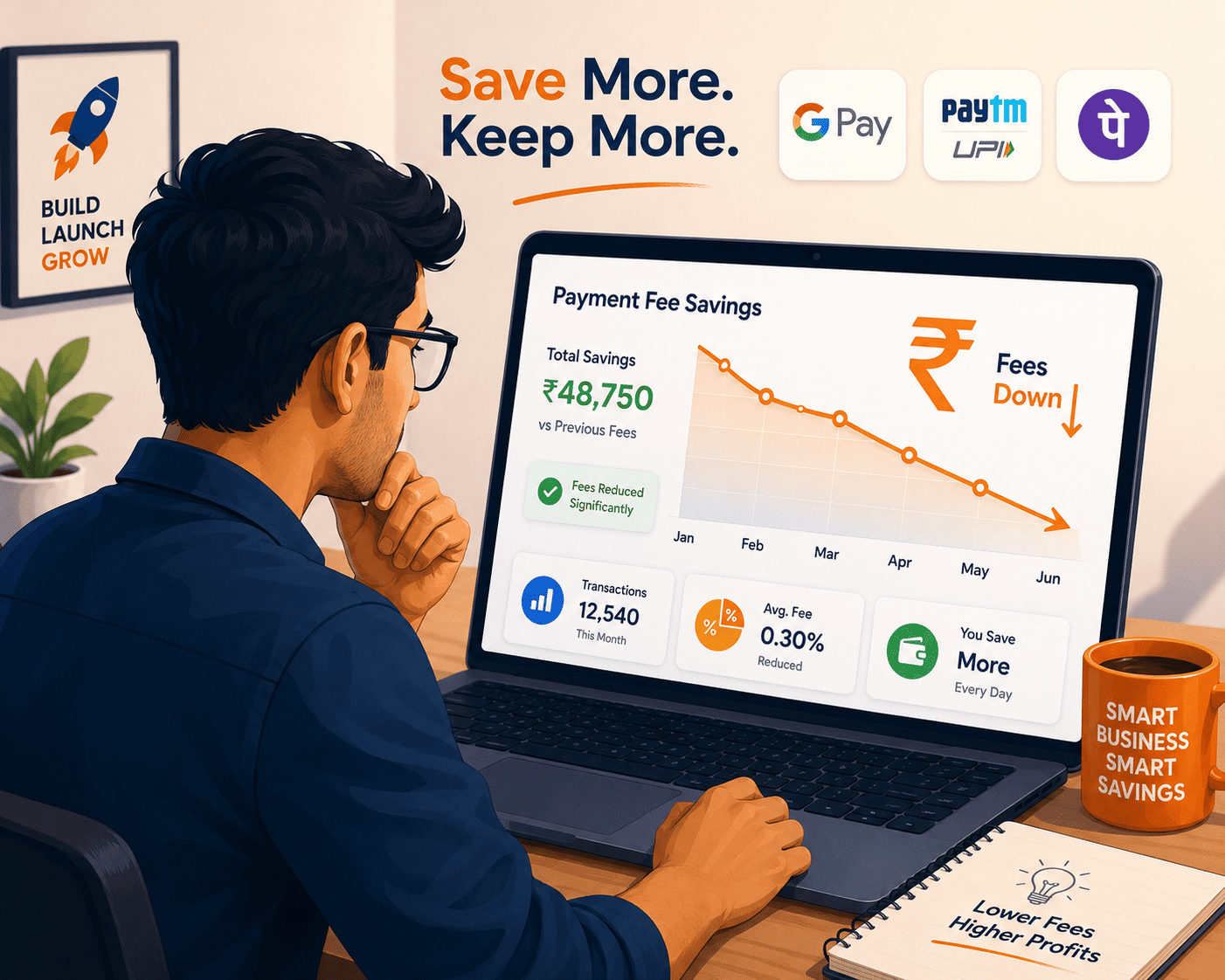
For an early-stage startup, cash flow matters just as much as revenue. Here's a simple way to think about it: if you're processing a decent volume of transactions every month, even a 1–2% fee means a chunk of money never actually reaches your account.
Over months and years, this becomes a meaningful amount that could've gone into hiring, marketing, or product development instead. By using a UPI gateway with zero fees, startups get to keep the full transaction amount, which means:
- More accurate cash flow forecasting — no need to constantly account for a variable deduction
- Better unit economics — especially important for startups still refining pricing and margins
- More money reinvested into growth — instead of going toward processing fees
Other Startup-Friendly Benefits of a UPI Gateway
Cost isn't the only reason startups are moving to UPI-first gateways. A few other practical advantages:
Fast, no-hold settlement Cash-strapped startups can't always afford to wait days for their money to settle. JaduPe offers real-time settlement with no money hold, meaning funds move to your account without unnecessary delays.
Quick integration Early-stage teams usually don't have the bandwidth to spend weeks on payment integration. A developer-friendly UPI gateway means you can get up and running fast, without eating into limited engineering time.
Simpler onboarding Startups often don't have extensive documentation or a long operating history yet. UPI-focused gateways tend to have a lighter onboarding process compared to full-scale payment gateways that require extensive KYC for multiple payment methods.
Built for How Indian Customers Already Pay
You're not fighting customer behavior here — UPI is already how most Indian users prefer to pay, whether it's a D2C brand, a SaaS subscription, or an NGO accepting donations. A UPI gateway aligns naturally with what your customers are already doing.
Is a UPI-Only Gateway Right for Every Startup?
Honestly, not every business is the same. If a meaningful chunk of your customers pay via international cards or need multi-currency support, you'll likely still need a broader payment gateway alongside UPI. But for startups whose customers are primarily domestic and already leaning toward UPI — which describes most consumer-facing Indian startups today — going UPI-first with a zero-fee gateway like JaduPe can genuinely reduce costs without sacrificing customer experience.
Some startups even run JaduPe for their UPI traffic while keeping a secondary gateway for the smaller share of card or international payments — getting the best of both without overpaying on their largest chunk of transactions.
Conclusion
For early-stage startups, every percentage point saved on payment processing is a percentage point that can go back into building the business. If UPI already makes up a big part of how your customers pay, there's honestly not much reason to keep paying fees on those transactions when a dedicated gateway can process them at zero cost.
JaduPe is built specifically around this problem — helping Indian startups accept UPI payments with zero transaction fees, real-time settlement, and integration that's fast enough to not slow your team down.
[Get started with JaduPe →] or [message us on WhatsApp →] to see how much you could be saving.
Frequently Asked Questions
Q1. Does the zero transaction fee apply to all payment methods on JaduPe? The zero-fee benefit applies specifically to UPI transactions, which typically make up the majority of payment volume for most Indian startups and consumer businesses.
Q2. How much can a startup actually save by switching to a UPI gateway? It depends on your transaction volume and current fees, but even a 1–2% saving on a growing transaction volume can add up to a meaningful amount over months — especially for high-volume businesses.
Q3. Is UPI reliable enough for a growing startup's transaction volume? Yes. UPI runs on NPCI's infrastructure and handles billions of transactions across India every month, making it a reliable choice even as your transaction volume scales.
Q4. Can a startup use JaduPe alongside its existing payment gateway? Yes. Many startups use JaduPe specifically for UPI transactions while keeping their existing gateway for other payment methods like cards, if needed.
Q5. How long does it take a startup to integrate JaduPe into their app or website? Integration is built to be quick — most teams can get basic UPI payments working within minutes using the available developer APIs.